Meet the Makers: Inside Equine Quality Horseboxes
Equine Quality was founded on a straightforward premise: build the box you’d actually want to travel in. In this opening instalment of Meet the Makers, we trace how that idea evolved into a respected horsebox brand.
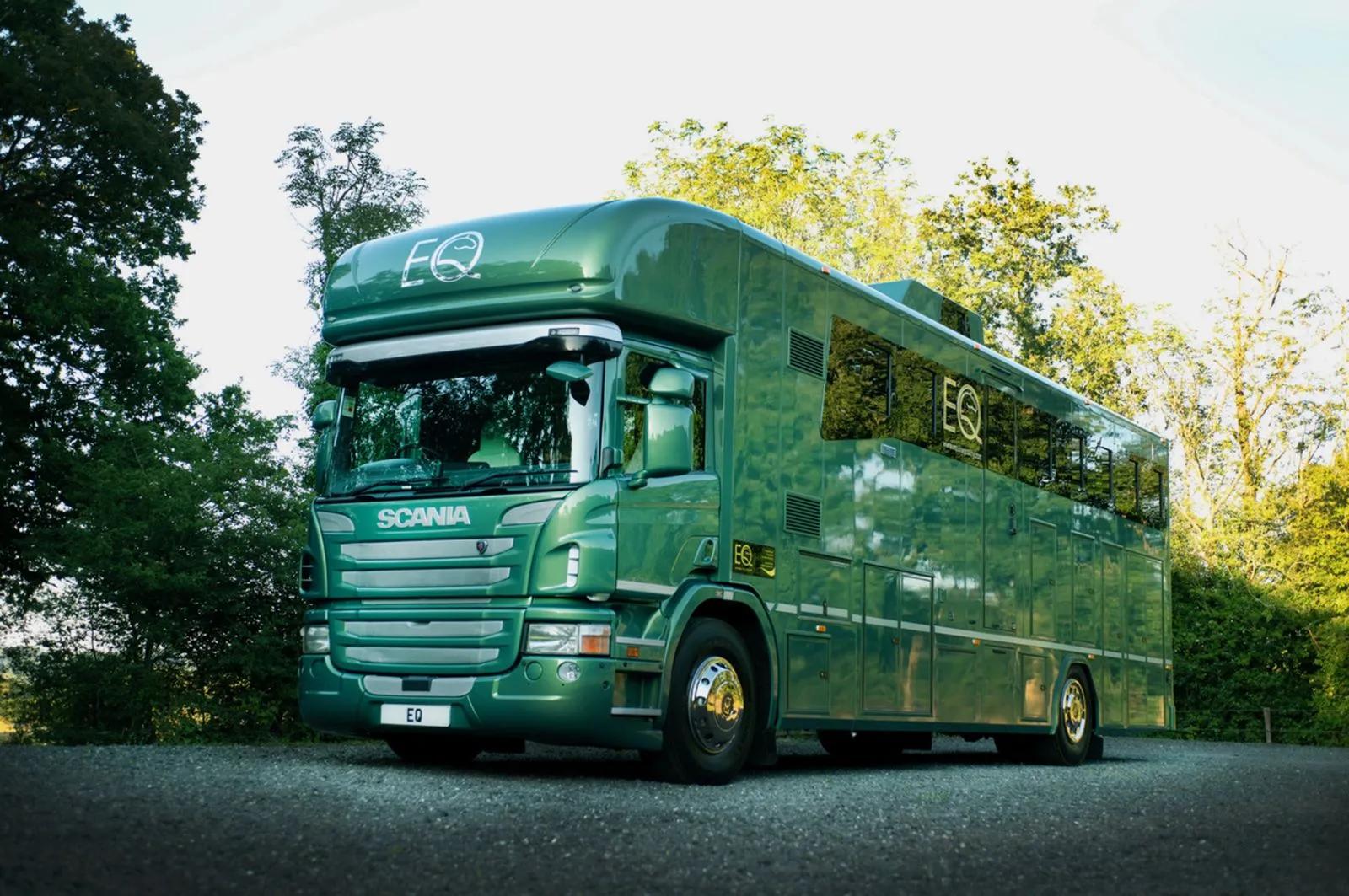

Equine Quality isn’t a company that shouts about itself, yet its name comes up with surprising regularity whenever riders discuss horseboxes that actually work in practice. For the first instalment of Meet the Makers, I spoke with founder Candice about how EQ began.
What emerges is a portrait of a business shaped less by trends and more by lived experience: long motorway hauls, early starts, muddy showgrounds and horses who make their opinions known whether you want them to or not. EQ’s reputation has grown over the past fifteen years not through glossy campaigns but through the simple accumulation of riders saying, “This one's been thought through.”
How Equine Quality (EQ) Began
Equine Quality’s story starts, as many enterprises do, with a moment of practical frustration. Candice, its founder, had spent years travelling with horses and found herself repeatedly confronted with horseboxes that looked perfectly respectable until she tried to use them for anything real - loading a mare and foal, finding space for tack, or even moving around the living area without performing a three-point turn.
When she tells the story, there’s no drama attached to it. "I just couldn’t find one that worked for what I needed," she explains. So she did what any determined rider with a clear idea of what should exist eventually considers: she built her own. It wasn’t meant to be the start of a company. It was simply meant to be a box she could rely on.
But, as tends to happen in the equestrian world, word travelled faster than she expected. A few people saw the build, then a few more, and soon she was fielding the sort of enquiries that suggest a one-off solution has accidentally become a business. EQ grew gradually from there, buoyed by riders who recognised the appeal of something designed by someone who had actually mucked out at 5am or driven the length of the country with a restless horse on board.
Fifteen years on, the company still works to the same principle that started it: build what makes sense for horses and their owners, and refine it only when real use suggests a better way.
Safety, Comfort and the Practical Realities of Horse Transport
When EQ talks about safety, it isn’t in the abstract way manufacturers sometimes do. Candice describes it in terms of actual moments: the horse that shifts its weight on a roundabout, the ramp used in the rain, the long journey where airflow matters more than anyone realises until the temperature climbs. “You only understand these things if you’ve travelled with horses,” she says, and it becomes clear this is the lens through which every design decision is made.
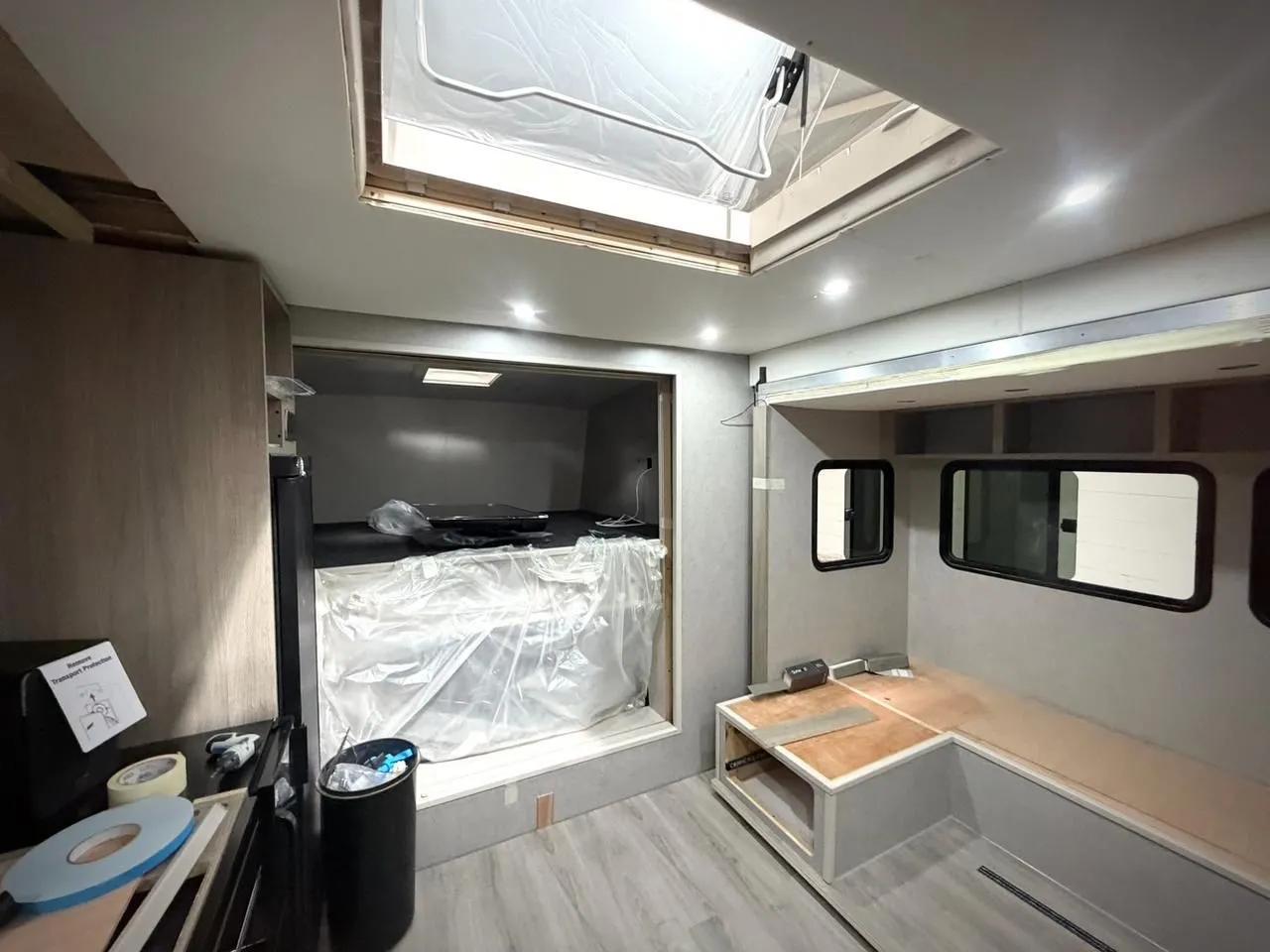
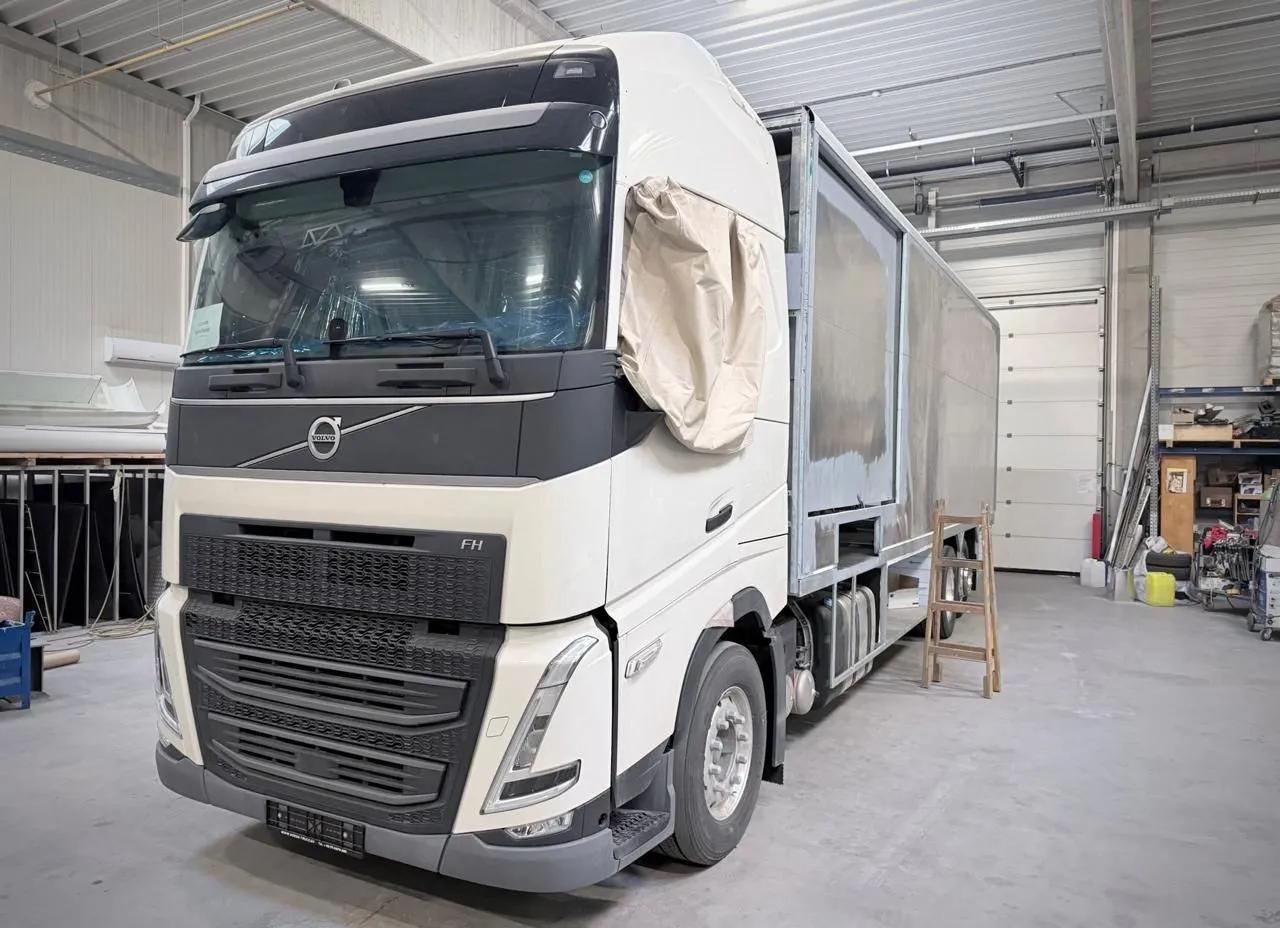
Take the structure itself. EQ starts with a full audit of the chassis before any build begins, not out of caution but because they’ve seen how small weaknesses can reveal themselves at inconvenient times. Partitions are built with a noticeable sturdiness: flat, weighty panels designed to stay steady under pressure rather than flex or rattle. Whilst the thick one-piece rubber flooring, meanwhile, isn’t about aesthetics. It prevents seams from lifting, stops water from finding places it shouldn’t, and gives horses a more confident footing.
Ventilation comes up repeatedly. EQ uses fans that draw air through the horse area without creating the sort of direct draught that unsettles even the most seasoned travellers. “Horses don’t thrive in enclosed, stuffy spaces,” Candice says. “But constant wind on them isn’t the answer either.” The goal, as she puts it, is calm: the sort of environment where a horse can settle, breathe easily and arrive without the tension that long journeys sometimes bring.
Some decisions seem almost mundane until she explains the rationale behind them. Access between the cab and horse area, for instance, isn’t there to impress anyone. It exists because stepping out into traffic to check on a horse is rarely the safest option. And before any new configuration becomes standard, EQ tests it with their own horses - a practical, uncomplicated approach that reflects the company’s broader ethos.
The impression that forms isn’t of a brand chasing innovation for its own sake, but of one that treats safety and comfort as the baseline from which everything else must follow.
One example riders mention often is EQ’s pop-out layouts, which remain practical even when pulled in. The walkway between the cab and horse area stays clear, meaning there’s no need to lower the ramp in awkward places just to check a horse. It’s the kind of detail that doesn’t photograph well but makes a difference on the road.
Designing Boxes for Every Kind of Rider
When I ask how EQ approaches builds that range from a compact 3.5 tonnes to a full 26-tonne lorry, Candice laughs. “People assume it’s just a matter of scale,” she says. “It isn’t. Different sizes come with entirely different expectations.” A 3.5t box, for instance, is often for riders heading to training or local shows, sometimes with a pony, sometimes with a young horse; payload is precious, and every kilogram becomes a conversation. “You want it roomy, but you also want it legal,” she adds, neatly summing up the eternal 3.5t dilemma.
Move up to 7.5t or 12t and the priorities shift. Extra storage, tack access, stall length - the things riders begin to care about when they’re spending whole weekends away or travelling bigger horses. “People tell us how they actually use their lorry,” she explains. “Where the haynets go, where the dog sleeps, how many saddles they need to reach without moving half the living area.” These small domestic details end up having a surprisingly large influence on the final layout.
At the top of the range, the 26-tonners are effectively rolling bases for teams. Multi-stall configurations, proper living quarters, and enough space for riders to exist alongside their horses without everyone tripping over each other. “Those builds are about endurance,” she says. “They’re for people who travel thousands of miles in a season, so everything has to work when they’re tired, or it’s dark, or they’re somewhere that isn’t remotely glamorous.”
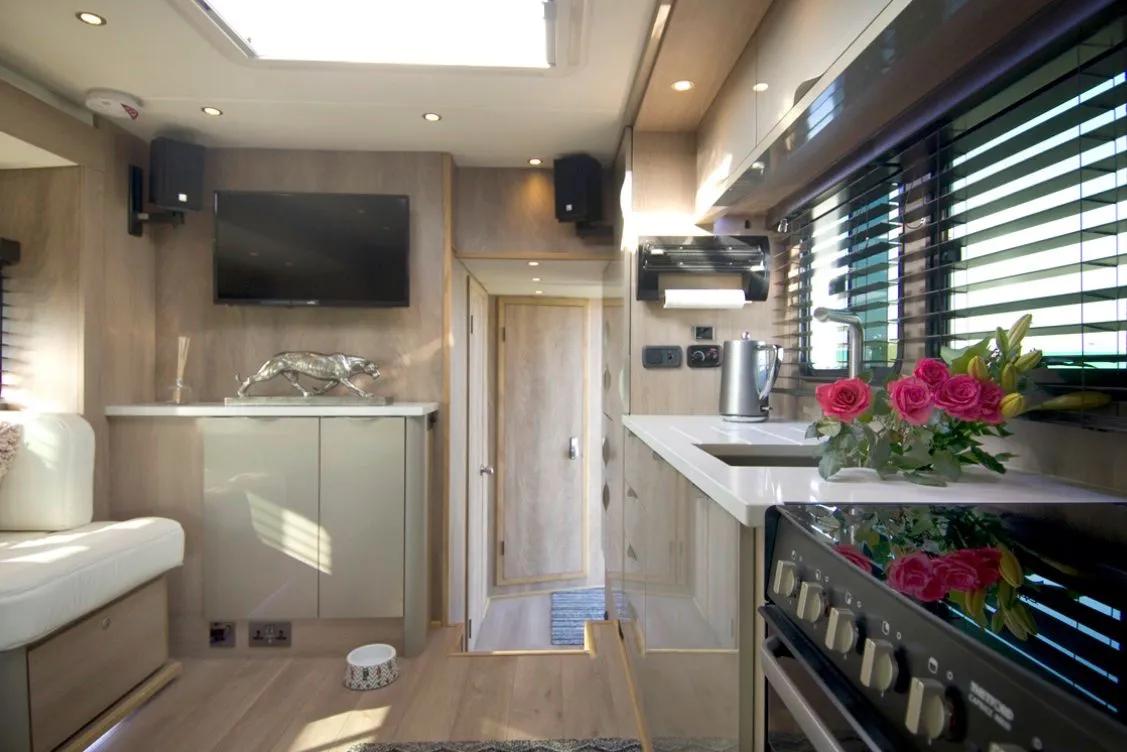
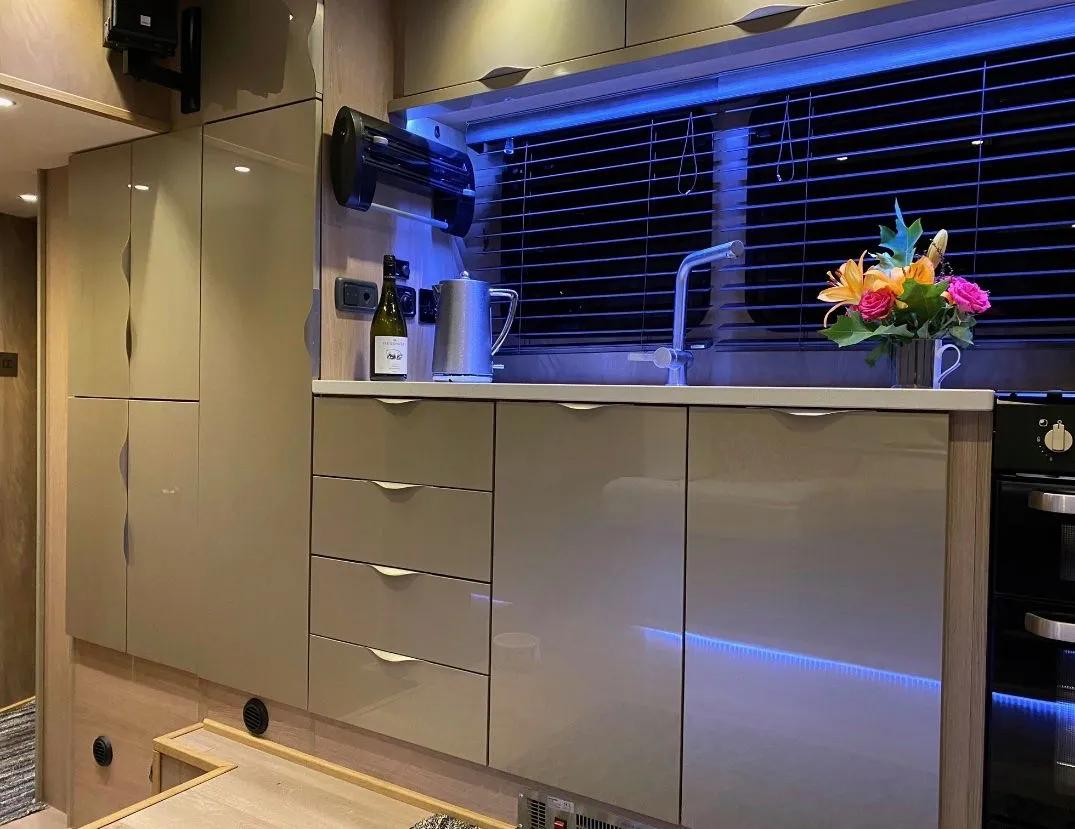
Every build begins with a discussion about how the lorry will be used - the types of horses it will carry, the distances involved, and the routines owners tend to have on show days or training trips. EQ then produces a 3D model for sign-off, a step that often prompts a few last-minute realisations from clients: "Yes, I do need that cupboard", or "Actually, that saddle rack needs to move".
“No two boxes end up the same,” Candice says, not boastfully but as a matter of fact. “People live and travel differently. Horses travel differently. The design has to reflect that.”
Service, Support and the Business of Keeping People Moving
If there’s one topic that prompts a surprisingly energetic response from EQ, it’s aftercare. Candice describes their approach without any grand claims, but there’s a clarity to the way she talks about it. “A horsebox isn’t something you hand over and hope for the best,” she says. “People rely on them. Things go wrong at inconvenient times.”
During the build, clients receive regular photo updates and videos - partly to reassure them, partly because people tend to enjoy seeing their box take shape. “Some send the photos straight to their yard WhatsApp group,” she admits, sounding faintly amused. The handover itself is thorough: loading guidance, electrics, maintenance, and a test drive. It’s the sort of session that leaves new owners realising how many small details they might have overlooked on their own.
After that, the relationship doesn’t fade. EQ offers annual servicing, MOTs, general horsebox maintenance and a helpline that operates seven days a week, twenty-four hours a day - a schedule dictated more by horse show timetables than office-hour logic. They also work with a network of mobile technicians who can step in when someone finds themselves broken down several counties away from where they're meant to be.
What stands out is the number of clients who return for second, third, even fourth boxes, or who buy without viewing because they’ve owned an EQ before. In an industry not always known for consistency, this pattern says as much about customer service as any formal guarantee. “It’s a small world,” Candice says. “If you look after people, they tend to come back.”
There’s also the agency service - a strand of the business that refurbishes used horseboxes for buyers who want something more affordable but still reliable. It’s a practical addition, not a glossy one, but it has helped plenty of first-time owners get on the road without the usual anxieties.
EQ doesn’t bother polishing its aftercare into a slogan. Instead, it concentrates on the practical end of things - being available when a warning light appears at the worst moment, and helping riders sort problems quickly enough that the day isn’t entirely derailed.
Milestones, Challenges and the Builds That Stayed With Them
When asked about EQ’s biggest achievements, Candice doesn’t reach for awards or sales figures. Instead, she talks about moments. One of them involves a 26-tonne box delivered to a team preparing for the Olympics. “It was a huge project,” she says, with the quiet satisfaction of someone who knows what went into it. The lorry went on to carry medal-winning horses across Europe. “Seeing it out there, doing the job, that was a good feeling.”
She also mentions the riders at the top of the sport - Olympic, international, professional - who have chosen EQ for the kind of journeys where reliability isn’t merely convenient but essential. These relationships seem to hold particular weight, not because of the names attached to them, but because they validate the practical thinking that sits behind EQ’s design approach.
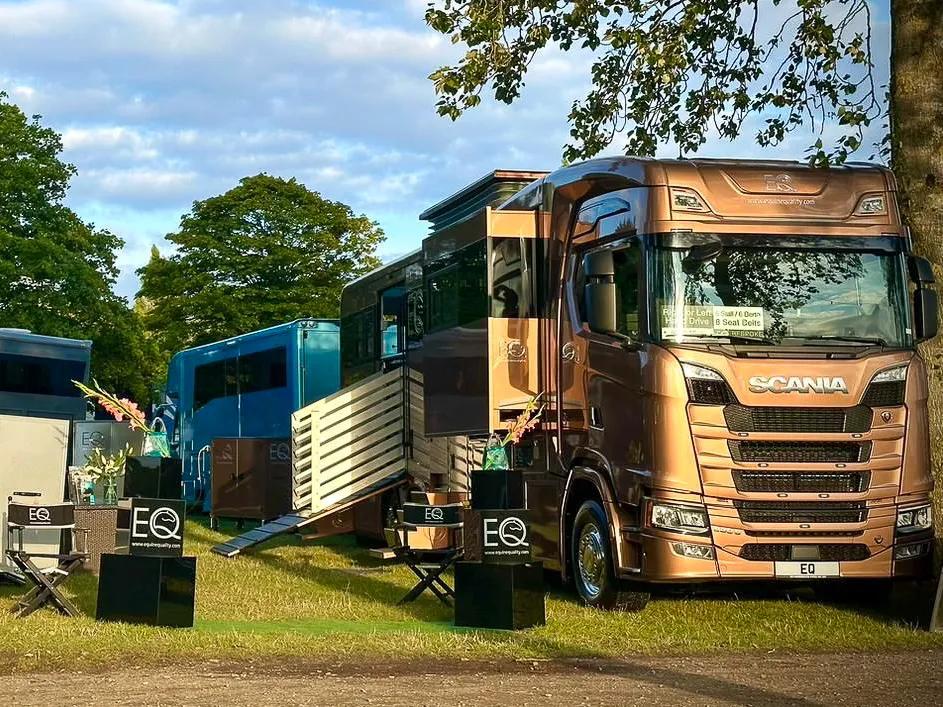
There are also the more unexpected moments - like arriving at a showground and seeing a line of EQ lorries parked together, the sort of accidental congregation that suggests a small but loyal community has formed around the brand. “You always notice your own builds,” she says. “But seeing several in one place… that’s particularly special.”
None of these stories are told with fanfare. They have the tone of recollections shared by someone who knows the work behind each lorry and seems quietly proud that they’ve ended up in places - from local shows to global tours - where they’ve earned their keep.
Looking Ahead
There is a clear interest in technology that serves a purpose rather than adding complications. EQ is working on solid-state energy systems paired with solar panels, designed to give riders a stable power supply on long trips and at shows where hook-ups are unreliable. They’re also developing AI-supported camera systems to give earlier warnings if a horse becomes unsettled, along with automated climate control and new lightweight materials intended to improve payload without sacrificing strength. None of it is about flashiness, Candice says - it’s simply about refining the parts of the journey that riders actually feel.
To meet demand, EQ recently opened a factory in Europe, which has reduced lead times without shifting away from their bespoke approach. “It’s still the same process,” she says. “Just more space and more hands.”
Throughout, there’s a consistent thread: progress for EQ isn’t about making boxes flashier or more complicated. It’s about refining the parts of the journey riders actually feel - the power systems, the airflow, the stall configuration - and doing so in a way that keeps horses comfortable and owners confident, whether they’re heading across the Channel or just down the road for a lesson.
What EQ’s Story Says About the Industry
Stepping back from the specifics of design and technology, EQ’s trajectory offers a small insight into the horsebox world more broadly. It’s an industry where riders often feel caught between two extremes: standard models that don’t always fit real habits, and bespoke options that can drift into over-complexity. EQ sits somewhere in the middle, shaped by a founder who approaches horseboxes as tools to be lived with, not as showpieces.
What comes through, speaking to Candice, is how much of the company’s approach is rooted in ordinary experience - the long drives, the early starts, the practical compromises riders make every weekend. Rather than trying to reinvent the horsebox, EQ refines familiar ideas: stronger partitions, calmer ventilation, layouts that reflect how people actually move around a lorry when they’re tired or in a hurry.
It’s an approach that seems to resonate with riders who know exactly what does and doesn’t work for them. And it explains why EQ’s name tends to surface in conversations not with fanfare but with an almost understated level of trust - the kind passed between people who have spent enough time in showground car parks to know what they’re talking about.
Closing Throughts
As first instalments go, Equine Quality sets a clear tone for Meet the Makers: a focus on the people who shape the equestrian world not through slogans or reinvention, but through the slow, deliberate work of making something that riders genuinely depend on. EQ’s story isn’t dramatic, and it doesn’t need to be. It’s the story of a rider who built the horsebox she couldn’t find, and a company that grew by continuing to pay attention to the details that matter at 5am on a show morning or halfway down the motorway with a horse behind you.
Equine Quality Horseboxes for Sale
Browse the latest Equine Quality horseboxes available on Moving Manes. From everyday transporters to luxury builds with living quarters.