Buying a Horse Trailer in the UK: A Practical Guide
What a horse trailer costs in the UK, what to look for on a used one, the common problems that catch first-time buyers out, and how the major manufacturers compare. Written for owners buying their first or next trailer.
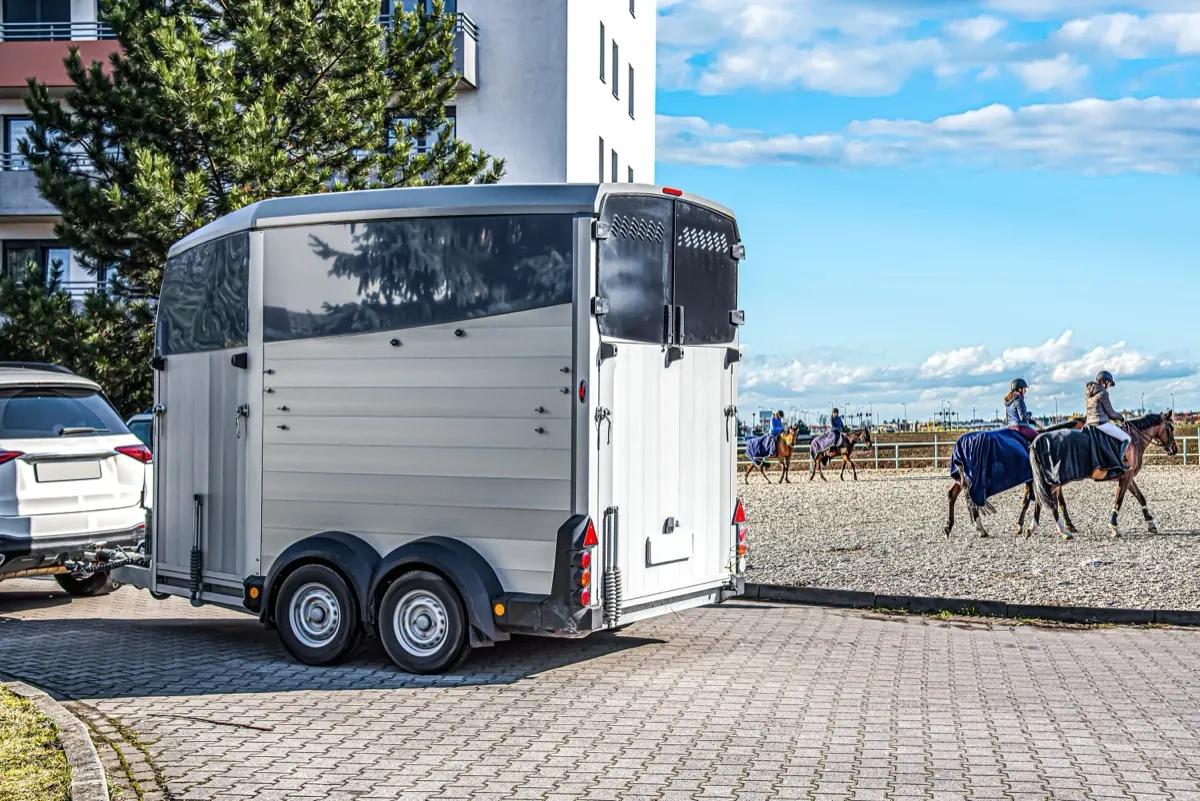

Most horse trailers sold in the UK fall between £2,500 for an older but sound second-hand example and £20,000 for a fully-specced new model. Whether you're buying your first trailer or replacing an ageing one, the four things that matter most are matching the trailer to your tow vehicle's payload, checking the chassis and floor before parting with money, choosing between new or used with eyes open, and picking a manufacturer with a track record in the British climate. This guide walks through each in turn, with cost ranges, the common problems first-time buyers miss, and a quick comparison of the major brands you'll find when you browse horse trailers for sale.
How Much Does a Horse Trailer Cost in the UK?
Horse trailer prices vary widely with age, condition, manufacturer and layout. As a rough UK guide:
- £2,500 - £4,000 - older but usable twin-axle trailers, often 15-20 years old, typically needing some attention to floors or tyres but mechanically sound.
- £4,000 - £8,000 - the bulk of the second-hand market: well-maintained 5-15-year-old models from established brands like Ifor Williams, Bateson and Cheval Liberté.
- £6,500 - £10,000 - new entry-level single trailers and lightly-used recent doubles.
- £10,000 - £20,000+ - new doubles with premium features (front unload, tack room) or bespoke layouts; specialist or living-quarter trailers can run higher still.
Beyond the headline price, factor in a few one-off and recurring costs: a pre-purchase inspection (£100-£300 from an independent specialist), insurance, an annual service, a set of replacement tyres every five to seven years (£300-£500), and your tow ball and electrics if your vehicle isn't already set up.
Choosing the Right Size and Weight
Most UK horse trailers fall into one of two formats: single trailers, designed for a single horse, and double trailers, which carry two horses side by side. Doubles are by far the more common choice and offer the flexibility to travel with a companion or take a second horse to a competition.
Lighter aluminium-bodied trailers can sit closer to 750kg unladen, while sturdier steel and composite builds are typically 950kg to 1,200kg. The trade-off matters because the unladen weight directly affects your usable payload - in the UK, most drivers can tow up to 3,500kg combined vehicle and trailer weight on a standard car licence, so every kilogram of empty trailer weight comes off your usable horse-and-kit allowance.
Larger three- or four-stall trailers are uncommon in the UK because they typically exceed the 3,500kg combined towing limit, need a heavier tow vehicle, and require a higher licence category. Match the trailer to your typical journey: a 16hh hunter and a Shetland companion fit comfortably in a standard double, while two large warmbloods may need a wider, heavier-duty model with extra payload. Our payload calculator is a useful starting point if you are not sure how much capacity you need.
What to Look for When Viewing a Used Trailer
Focus on the chassis and floor first. Rust on the main chassis members, soft or springy floorboards and any sign of water ingress around the wheel arches are all reasons to walk away or negotiate hard. The floor is the single most expensive routine repair on an older trailer and the part most likely to fail without warning.
Brakes and tyres matter just as much. Check that the brakes operate smoothly when you push the trailer forward, the breakaway cable is intact, and the tyres show no perished sidewalls or mismatched age. Trailer tyres often sit unused for long periods and degrade faster than tread wear suggests - any tyre over five to seven years old should be replaced regardless of how it looks.
On older trailers, the kingpin, jockey wheel and internal rubber matting are common wear points. Lift any internal matting to inspect the floor underneath, look at the partition fixings, and try the ramp and tailgate operation. A pre-purchase inspection by an independent specialist is well worth the cost for anything over a few thousand pounds.
Common Horse Trailer Problems to Watch For
A handful of problems come up repeatedly on used UK trailers. Knowing what they are and what they cost to fix helps you negotiate fairly - or walk away when needed.
- Floor rot. The most common reason trailers come off the road. Wood floors fail silently from underneath, often from urine penetration around the wheel arches. Replacement is typically £400-£800 fitted, and it should always be done before the trailer carries another horse.
- Chassis corrosion. Surface rust is normal and easy to treat; pitting or perforation on the main chassis members is a structural concern and usually means the trailer is at the end of its life.
- Perished tyres. Cracked sidewalls, flat spots from standing for months, or mismatched ages between tyres are all warnings. A full set of trailer tyres is £300-£500.
- Worn suspension and bearings. Listen for clunks when the trailer is rocked, and check for uneven tyre wear. Bearings are inexpensive but neglected ones can seize on the road.
- Brake faults. The most common is a stuck or seized handbrake mechanism on trailers that haven't moved in months. Have the brakes professionally tested if there's any doubt.
- Electrical and lighting issues. Worn wiring connectors and corroded earth points are routine on older trailers. Easy and cheap to put right but must be working before any towing.
- Damaged ramp or tailgate hinges. Check the hinges, springs, gas struts and floor edges. A dropped ramp on a horse is dangerous and the repair is rarely cosmetic.
- Missing or unreadable VIN plate. This affects insurance, resale and any future weight check. Walk away if there's no clear weight plate.
Loading Your Trailer (the 60/40 Rule)
How a trailer is loaded affects how it tows and how safe it is on the road. The widely cited 60/40 rule suggests that around 60% of the load should sit ahead of the axles and 40% behind, which keeps positive noseweight on the towball and the trailer tracking cleanly behind the vehicle.
In practice this matters most when carrying a single horse. In the UK we drive on the left, so a single horse is loaded on the offside (the driver's side) - the side closest to the kerb when the trailer is reversed. This puts the horse's weight over the front of the floor and onto the side of the trailer that's furthest from passing traffic.
When two horses are travelling, balance generally takes care of itself provided the partition is in the centre. Tack and water carriers should sit forward, not behind the axles, and heavy items shouldn't be stacked high. A noseweight that's too light makes the trailer prone to snaking at speed; too heavy and you risk overloading the rear of your tow vehicle.
New vs Used Trailers
New trailers come with manufacturer warranties, the latest safety features and predictable build quality. If you plan to tow regularly and want peace of mind, buying new from a reputable dealer is straightforward.
Used trailers can offer excellent value if you know what to look for. The depreciation curve is steepest in the first few years - a five- to seven-year-old example from a strong brand like Ifor Williams or Bateson often costs half the price of a new equivalent and has decades of service life left if it has been properly maintained. Ask for any service records, weight plates and original purchase documents.
For driving licence requirements, see our Horsebox Driving Licence Requirements in the UK guide. For a deeper dive into towing rules, the 85% rule and common mistakes, our horse trailer towing guide covers the practical setup and on-road considerations.
A Quick Look at the Major UK Manufacturers
A handful of brands dominate the UK horse trailer market, each with its own design philosophy:
- Ifor Williams - Welsh, founded 1958, the most widely owned brand on UK roads. Galvanised steel chassis, composite or aluminium body. Heavy but built to last 20+ years with good resale value. The HB506, HB511 and HB401 ranges are the workhorses.
- Equi-Trek - British, West Yorkshire. Best known for rear-facing trailer designs aimed at reducing travel stress. The Star-Treka, Multi-Treka, Space-Treka and Day-Treka range goes from compact day-trip trailers up to models with full overnight living accommodation.
- Cheval Liberté - French-designed, Polish-built. Distinctive herringbone (angled) loading layouts. Lighter than equivalent Ifor Williams models, which translates to more usable payload.
- Böckmann - German, founded 1956. Premium positioning, all-aluminium superstructure, exceptional build quality with the price tag to match.
- Bateson - British family business in Lancashire, manufacturing trailers for over 50 years. The Derby and Deauville models are the best known. Galvanised chassis, rot-proof plastic-and-steel floor, and lighter than most competitors.
When you're ready to start looking, browse our full horse trailer listings to compare what's available now from dealers and private sellers across the UK.
Frequently Asked Questions
How much does a horse trailer cost in the UK?
What are the most common horse trailer problems to look out for?
What's the 60/40 rule for loading a horse trailer?
What's the difference between a horse trailer and a horsebox?
Single, double or larger - which horse trailer should I choose?
How long do horse trailers last?
What size vehicle do I need to tow a horse trailer?
How do I look after my horse trailer?
Horse Trailers For Sale
Explore all horse trailers currently listed on Moving Manes, from brand new builds to well-maintained used options.